
In high-end kitchen design, marble has long been celebrated for its timeless elegance and soft, flowing aesthetics. However, modern homeowners and professional quartzite fabricators frequently encounter the limits of marble's daily practicality. Enter quartzite—a 100% natural stone that combines the dramatic, high-end look of fine marble with unmatched structural resilience.
Understanding what quartzite is and why it outperforms marble can help you make an informed decision for your next renovation project.
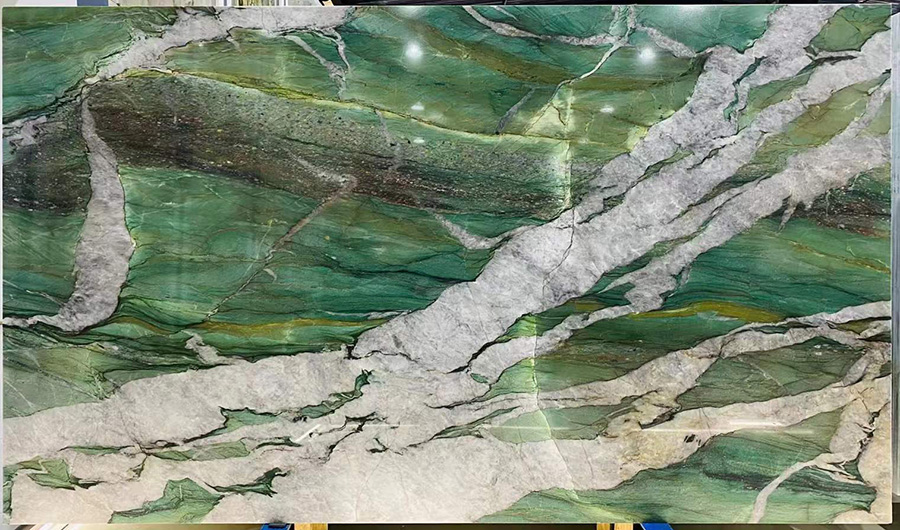
1. Geological Origins: What Is Quartzite?
Quartzite is a natural metamorphic rock formed when pure quartz sandstone undergoes extreme heat and tectonic pressure deep within the Earth's crust. During this metamorphism, individual quartz grains recrystallize into an interconnected mosaic of quartz crystals.
This process yields a rock that scores around 7 on the Mohs hardness scale, outperforming granite and far surpassing marble, which typically ranks between 3 and 4.
Metamorphism Comparison:
Quartz Sandstone + Intense Heat & Pressure ==> Quartzite (Mohs Hardness: 7)
Limestone + Metamorphic Conditions ==> Marble (Mohs Hardness: 3-4)
2. Structural & Practical Comparison: Quartzite vs. Marble
While marble consists primarily of calcium carbonate (calcite), quartzite is predominantly pure silica dioxide. This chemical difference creates major advantages in daily kitchen environments:
| Feature / Metric | Natural Quartzite | Traditional Marble |
| Mohs Hardness | ~7 (Scratch-proof to knives/utensils) | 3 – 4 (Prone to scratches) |
| Acid Etching Resistance | Impervious to lemons, vinegar, wine | Highly reactive (Leaves dull etch marks) |
| Heat Tolerance | Exceptional (Handles hot cookware easily) | Moderate (Risk of thermal shock/discoloration) |
| Maintenance Needs | Low (Periodic sealing preserves luster) | High (Frequent sealing & honing needed) |
For active residential spaces, choosing durable quartzite kitchen countertops ensures that high-traffic prep areas remain clean, pristine, and resistant to permanent staining or chemical etching.
3. Aesthetic Variety: Versatile Colors and Patterns
Beyond strength, quartzite offers an impressive range of visual options—from crisp whites to dramatic exotic patterns:
Elegant Whites & Warm Neutrals: Options like a white pearl quartzite or a pristine white crystal quartzite slab deliver the clean, bright ambiance of fine Italian marble without its delicate vulnerabilities.
World-Renowned Classics: Choosing taj mahal countertops brings warm ivory tones, soft gold veining, and translucent depth to modern and transitional kitchens alike.
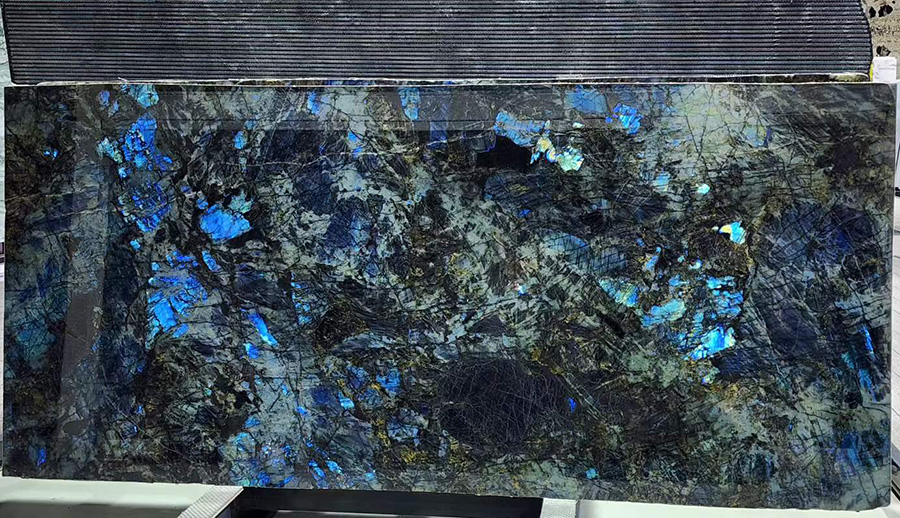
Dramatic & Exotic Statements: Incorporating an exotic quartzite—such as a dark, striking portoro quartzite or vivid blue Macaubas—turns counter surfaces into vibrant focal points.
4. Elevating Kitchen Designs with Quartzite
Quartzite's structural strength opens up sophisticated architectural possibilities across kitchen layouts:
Centerpiece Islands: Installing a dedicated quartzite kitchen island serves as both a high-capacity prep hub and an inviting social gathering space.
Book-Matched Backsplashes: Because each premium quartzite slab can be cut and mirrored, full-height backsplashes create continuous movement across walls.
Seamless Edge Profiles: From contemporary mitered waterfall edges to classic ogee profiles, dense quartzite maintains crisp lines without chipping during fabrication.
Summary: A Lasting Investment
Quartzite delivers the ideal balance of beauty and performance. By offering marble's coveted aesthetic alongside superior hardness, stain resistance, and heat tolerance, it stands out as the ultimate surface solution for modern luxury kitchens.
For comprehensive natural stone solutions, custom fabrication, and premium slab selections, visit RSIN Stone to discover the perfect materials for your next project.
External References
Learn more about metamorphic mineral structures at the USGS Geology and Earth Science Directory.
Explore natural stone care and technical standards through the Natural Stone Institute.
Post time: Oct-28-2026